Living in Roswell means experiencing just about everything Georgia weather has to offer. Air conditioners work overtime through long stretches of summer heat and humidity, while furnaces and heat pumps need to be ready when temperatures suddenly drop. Keeping your home comfortable takes an HVAC system that can handle both.
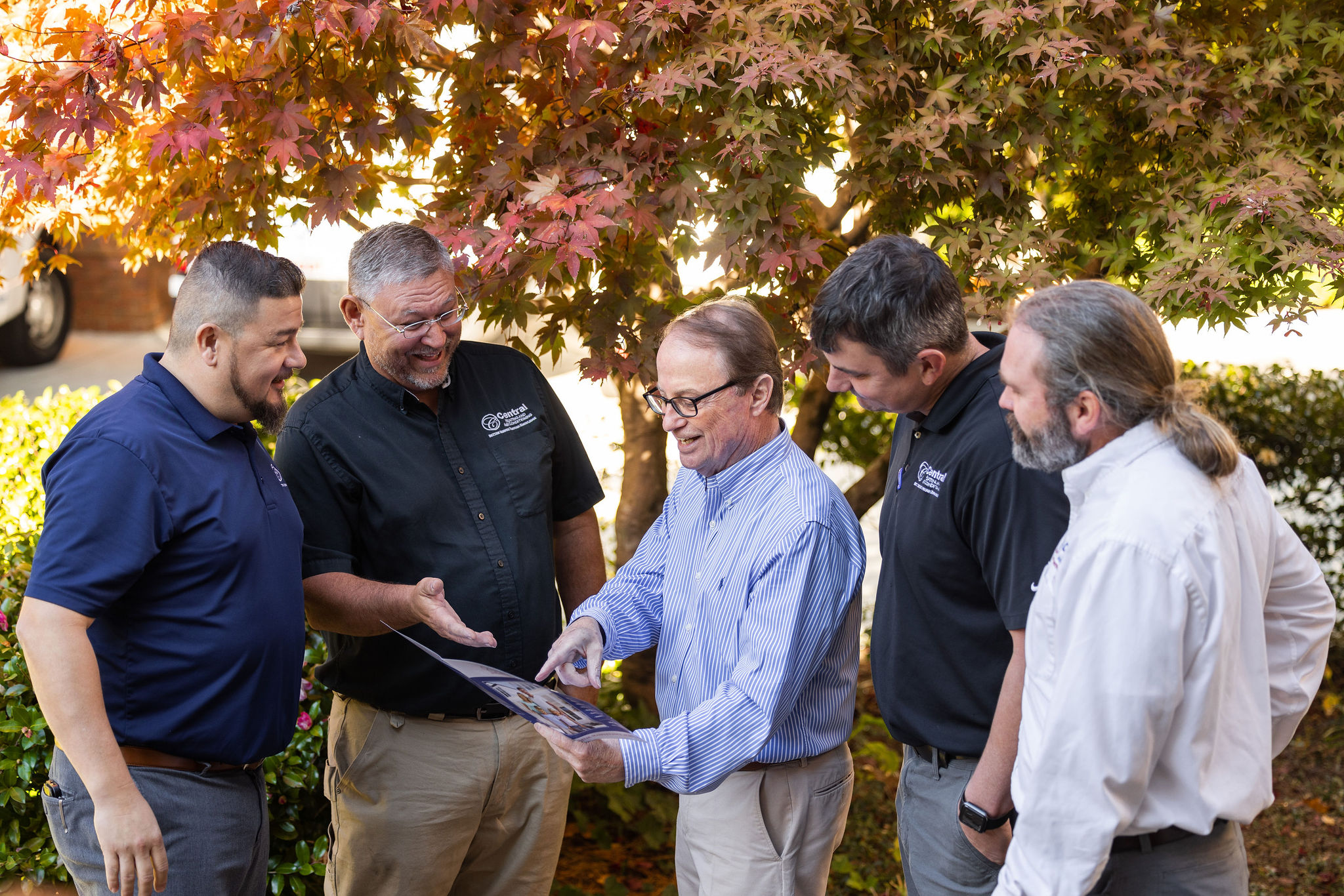
Central Heating & Air Conditioning has been serving Metro Atlanta homeowners since 1947. Our approach is straightforward: find out what’s actually happening with your system, explain it clearly, and recommend the work that makes sense for your home. From routine maintenance and repairs to indoor air quality improvements and complete system replacements, our technicians are equipped to handle your home’s heating and cooling needs.
Roswell’s housing is part of what makes the area unique. Historic properties, traditional homes in established neighborhoods, renovated ranches, larger homes built in later decades, and newer construction can all be found within the community. That variety also means there’s no single approach to heating and cooling a Roswell home.
In an older property, the equipment may be relatively new while the ductwork is decades old. A renovated home may have additional living space that wasn’t considered when the original HVAC system was installed. Other homes have finished basements, bonus rooms, large windows, vaulted ceilings, or multiple systems serving different areas.
That’s why we look at the home as well as the equipment. The best HVAC repair doesn’t just get the system running again. It addresses what’s actually affecting your comfort.
When an air conditioner struggles during July or August, the problem becomes obvious quickly. But AC problems often begin well before the system stops cooling altogether.
You may notice:
These symptoms can have very different causes. Weak airflow could be related to a dirty filter, blower problem, duct restriction, or dirty coil. A system that runs constantly could have a refrigerant issue, airflow problem, aging component, or simply be struggling with the cooling demands of the home.
That’s why we diagnose before we repair.
Our technicians inspect the cooling system, determine what’s causing the problem, and explain what we find without burying you in technical terminology. You’ll know what needs attention, what your options are, and what the repair will cost before work begins.
After the repair is complete, we’ll test the system again to make sure it’s cooling and operating properly.
One of the biggest HVAC challenges in Roswell is that many homes have changed significantly since they were originally built.
A home may have started with a traditional floor plan and later gained a finished basement, sunroom, bonus room, larger kitchen, enclosed porch, or second-story addition. Those renovations change the amount of space the HVAC system needs to condition, but the heating and cooling system isn’t always redesigned along with the house.
The result can be a home that looks completely updated but still has rooms that are difficult to heat or cool.
Older ductwork is another issue worth considering. Ducts hidden in attics, crawl spaces, ceilings, and walls can develop leaks or other problems over time. If conditioned air is escaping before it reaches the rooms it’s supposed to serve, replacing the air conditioner alone may not solve the comfort problem.
Roswell’s mature landscape creates another maintenance concern. Pollen in the spring and leaves and debris throughout the year can collect around outdoor equipment. An outdoor unit needs adequate airflow to release heat effectively, so keeping the surrounding area clear matters.
Humidity can expose problems too. If an air conditioner isn’t operating correctly or is improperly sized for the home, you may notice that the temperature feels acceptable while the house still feels damp or uncomfortable.
The important part is figuring out why the problem is happening. We consider the equipment, airflow, ductwork, controls, and the way the home is being used before recommending a solution.
Roswell homeowners may use their heating systems less than their air conditioners, but that doesn’t make heating problems any less frustrating when cold weather arrives.
A furnace that hasn’t operated much for several months may reveal an ignition problem the first time you need it. A heat pump may begin running longer than usual or struggle to maintain the thermostat setting as outdoor temperatures fall.
Other warning signs include unusual odors, new noises, weak airflow, frequent cycling, or rooms that remain noticeably colder than the rest of the house.
Central Heating & Air Conditioning services and repairs:
We begin by diagnosing the heating problem rather than assuming the equipment itself is responsible.
That’s especially important in older Roswell homes. A furnace can be working correctly while leaky ductwork, inadequate airflow, or another issue prevents heat from reaching certain areas of the house.
Once we know what’s happening, we’ll explain the problem and your options so you can decide how you’d like to proceed.
Preventive maintenance in Roswell isn’t simply about checking your HVAC system twice a year. It’s about preparing the equipment for the conditions it will face during the next season.
Spring is particularly demanding. Heavy pollen can coat outdoor equipment and load air filters faster than homeowners expect. As temperatures rise, your air conditioner transitions from occasional operation to running for hours at a time.
Then comes summer humidity.
Your cooling system isn’t only lowering the temperature inside your home. It’s also removing moisture from the indoor air. Dirty coils, restricted airflow, drainage problems, and worn components can interfere with that process and make the house feel uncomfortable even when the thermostat appears to be working normally.
Roswell’s established homes deserve additional attention. If HVAC equipment has been replaced but the original ductwork remains, we may look more closely at airflow and duct condition. If the house has been renovated, we’ll pay attention to whether those changes have affected how comfortably the system serves the home.
Central recommends professional HVAC maintenance in the spring before cooling season and again in the fall before heating season.
Depending on the equipment, a maintenance visit may include inspecting system components, cleaning areas that affect performance, checking electrical connections, evaluating airflow, checking refrigerant operation, testing controls, and looking for signs of wear.
Regular maintenance can help:
Maintenance can’t prevent every repair, but it gives us an opportunity to find problems before you’re dealing with them on the hottest or coldest day of the year.
Anyone who has seen a car turn yellow during a Georgia spring knows how much pollen we deal with outdoors. Some of those particles inevitably make their way inside.
Your HVAC system can play an important role in controlling what continues circulating through your home.
The right air filter is the starting point, but filtration isn’t the only consideration. Duct leakage, humidity, dust, pet dander, and the condition of the HVAC system can all affect indoor air.
Older Roswell homes can present additional challenges. Ductwork running through an attic or crawl space may develop leaks that allow dust or unconditioned air into the system. Homes that have been renovated may also have airflow patterns that are very different from the original design.
Central offers indoor air quality options including:
We don’t believe every home needs every product. We’ll look at what you’re experiencing and recommend options based on the actual conditions inside your home.
A good HVAC diagnosis starts with understanding what you’ve noticed.
Maybe one bedroom has gradually become warmer. Perhaps your electric bill suddenly increased. Your air conditioner may be making a sound you’ve never heard before, or the furnace simply won’t start.
We’ll listen first.
Then your technician will inspect the system and determine what’s causing the problem. Once we know what’s happening, we’ll explain it clearly and discuss the available options with you.
You’ll receive upfront pricing before approved work begins.
After the work is completed, we’ll test the equipment again, make sure the system is operating properly, clean the work area, and answer any questions you have before we leave.
Most homes should have professional HVAC maintenance twice each year. Spring service prepares your cooling system for Georgia’s summer heat and humidity, while fall maintenance helps make sure your heating equipment is ready before colder weather arrives.
Changes are often the best warning sign. If your system suddenly runs longer, sounds different, produces weaker airflow, leaves certain rooms warmer, or isn’t controlling humidity as well as it used to, something may have changed within the system.
Yes. An HVAC system that’s working harder than necessary can consume significantly more energy. Dirty coils, airflow restrictions, duct leakage, worn components, and aging equipment are among the issues that can reduce efficiency.
Yes. Central’s technicians service most major residential HVAC brands and work with air conditioners, furnaces, heat pumps, air handlers, thermostats, and other heating and cooling equipment.
No. Age is only one factor. We also consider the system’s condition, repair history, efficiency, comfort performance, and the cost of the repair. An older system that has been well maintained may still have useful life remaining.
There’s no exact expiration date. Many systems operate for 12 to 20 years, but installation quality, maintenance, usage, climate, and operating conditions all affect equipment life.
Yes. Comfort problems aren’t always caused by broken equipment. Airflow, ductwork, insulation, humidity, thermostat placement, system sizing, and renovations can all affect how a home feels.
Renovations can change how air moves through a home. Adding square footage, removing walls, finishing a basement, or changing the floor plan can alter the original heating and cooling requirements. If the ductwork and HVAC design weren’t updated along with the renovation, certain rooms may receive too much or too little conditioned air.
Absolutely. New equipment still depends on the duct system to deliver conditioned air. If older ducts are leaking, restricted, damaged, or improperly sized, new equipment may not provide the comfort or efficiency you expected.
It can. Shade itself isn’t a problem, but leaves, pine straw, pollen, small branches, and landscaping debris can accumulate around the outdoor unit. The condenser needs open airflow around it to release heat efficiently, so the surrounding area should be kept clear.
An air conditioner removes moisture as part of the cooling process. If the system isn’t running properly, has airflow problems, is improperly sized, or can’t adequately manage the home’s moisture load, indoor humidity may remain uncomfortable. Sometimes the solution involves the AC system; other homes may benefit from dedicated dehumidification.
Yes. A finished basement becomes conditioned living space, and simply extending a few ducts isn’t always enough to create balanced comfort. The additional space should be considered as part of the home’s overall heating and cooling requirements.
It’s worth considering if you’re experiencing uneven temperatures, excessive dust, weak airflow, high energy bills, or if you’re replacing HVAC equipment. Ductwork is largely hidden, which means problems can go unnoticed for years.
Some temperature difference is natural because heat rises, but a large difference can indicate an airflow, ductwork, insulation, return-air, or system-balancing issue. The solution depends on what’s actually causing the temperature difference.
Not necessarily. Oversized equipment can cool the home too quickly and shut off before adequately removing humidity. Proper sizing considers much more than square footage, including insulation, windows, ceiling heights, orientation, air leakage, and the home’s construction.
Yes. A significant renovation is a good time to evaluate whether the existing HVAC design still matches the home. Changes to square footage, windows, insulation, ceilings, room layouts, and how spaces are used can all affect heating and cooling requirements.
Check it more frequently than you normally would. There isn’t one replacement schedule that works for every home because filter type, pets, household activity, and system runtime all matter. During heavy pollen periods, visually checking the filter regularly is a better approach than relying solely on the calendar.
Tell us what’s happening in your home. Central Heating & Air Conditioning can help determine whether you’re dealing with an equipment problem, airflow issue, ductwork concern, humidity problem, or another factor affecting your comfort.
Central Heating & Air Conditioning has served Metro Atlanta since 1947. That experience has taught us that the right answer isn’t always the most expensive one.
We believe in diagnosing the problem carefully, explaining what we find, and giving homeowners the information they need to make a good decision. Whether your Roswell home needs a straightforward repair or you’re evaluating an older system as part of a larger renovation, our goal is to recommend what makes sense for your home.
From an air conditioner struggling through the summer to an older home’s airflow problems, Central Heating & Air Conditioning is ready to help.
Schedule HVAC service in Roswell for air conditioning repair, heating repair, preventive maintenance, indoor air quality improvements, or system replacement. We’ve been helping Metro Atlanta homeowners stay comfortable since 1947, and we’re ready to do the same for your home.
Hear from real customers who trust Central Heating & Air. Their stories reflect our commitment to dependable service, expert care, and comfort-first solutions across Atlanta and surrounding communities.










License number - CN6931. Copyright Central Heat & Air Conditioning 2026. Website Design and Developed By